The Wrist Divided: Fine Gold and the Smartwatch in an Always-On Age
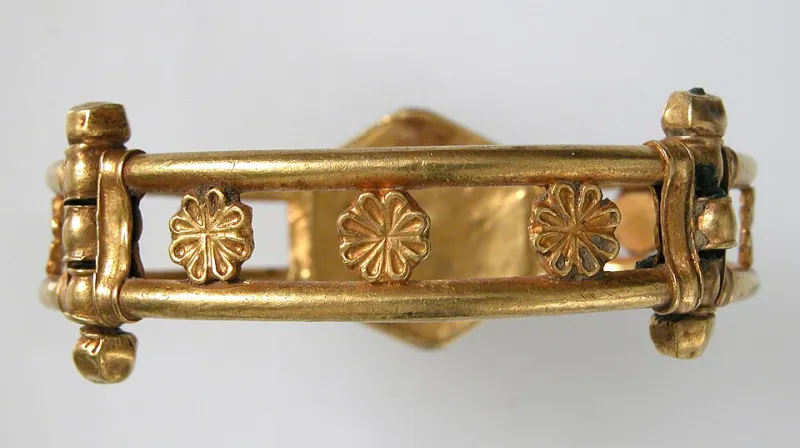
Photo: Unknown, CC0, via Wikimedia Commons
The wrist has become the most contested piece of real estate in American luxury. On one side sits the smartwatch, a device that tracks sleep, steps, and stress, and that has become as common in boardrooms as it is in gyms. On the other sits fine gold: a bracelet, a cuff, a mechanical watch, an object of permanence in an age of updates. For years, the two have been treated as incompatible. In 2026, that assumption is beginning to look less like a rule and more like a failure of imagination.
The Case for the Smartwatch
The smartwatch earns its place. It is useful, increasingly elegant, and in some professional circles, expected. For the affluent American consumer, it is also a health tool and a calendar, a piece of technology that has quietly become a part of daily dress. The problem is not utility. The problem is that utility has a short shelf life. A device purchased this year will be obsolete in three; a gold bracelet will not.
The Case for Gold
Fine gold offers what technology cannot: durability, tactility, and a relationship with time that is measured in decades rather than product cycles. A solid gold cuff or a well-proportioned gold watch is an asset in the literal sense. It can be repaired, passed down, and revalued. It also changes the way a wrist looks and feels. Gold catches light. It has weight. It asks the wearer to slow down, even if only for the second it takes to fasten a clasp.
Coexistence, Not Conquest
The more interesting question is not whether gold can win the wrist back, but whether it should try. The smartwatch is not going away, and the gold bracelet does not need it to. The most sophisticated approach is coexistence: a slim gold chain worn on the opposite wrist, a cuff stacked beside a watch with a leather band, a fine gold bracelet that sits above the device rather than competing with it. The key is intention. Two objects on one wrist should have a reason to be there.
The New Wrist Protocol
For the collector, this suggests a revised protocol. First, decide what the wrist is for. If it is a tool, let the tool lead. If it is a signature, let the gold lead. Second, respect proportion. A heavy cuff beside a bulky smartwatch creates visual noise; a fine chain beside a slim device creates balance. Third, choose materials that age well. Solid gold, sapphire crystal, and a well-made leather strap will outlast the software. Fourth, do not stack for the photograph. Stack for the day.
What This Says About Luxury
The wrist debate is really a debate about what luxury means in a connected age. Technology promises efficiency; gold promises endurance. The affluent consumer is increasingly unwilling to choose between the two. She wants the health data and the heirloom, the calendar alert and the quiet weight of a bracelet. That is not a contradiction. It is a more mature understanding of luxury, one that values utility and permanence in equal measure. The wrist can hold both. It simply requires a firmer point of view.