After the Applause: A Collector's Guide to Separating Red Carpet Gold From the Real Thing
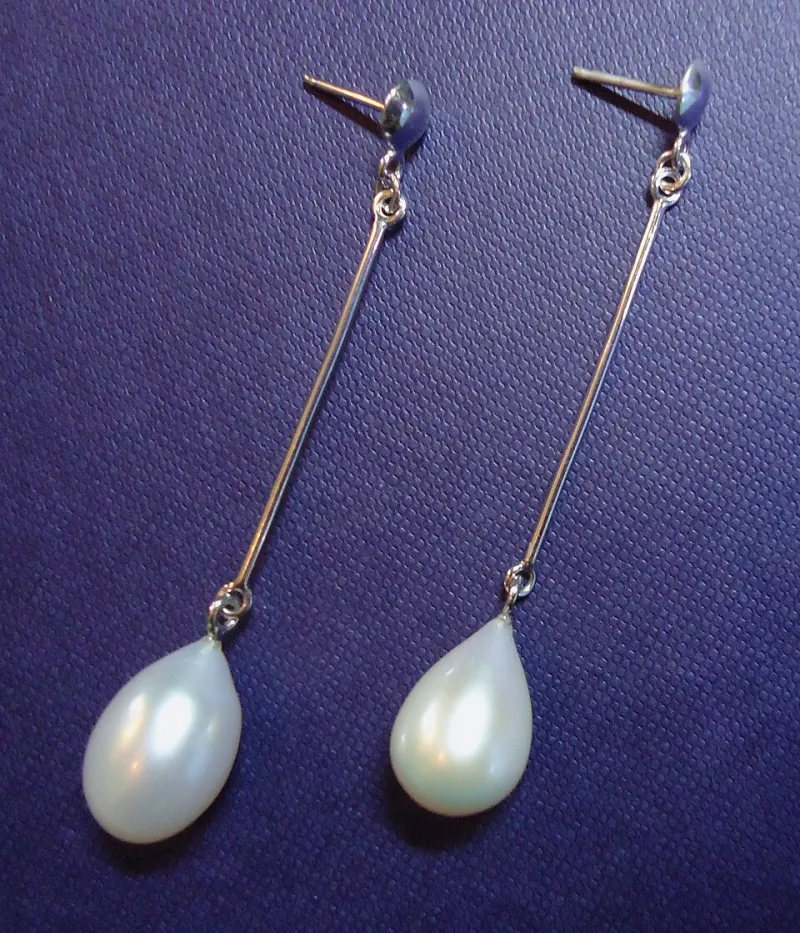
Photo: Mauro Cateb, CC BY-SA 3.0, via Wikimedia Commons
The morning after every major awards ceremony, the same sequence unfolds. A photograph circulates — an actress, a sculptural gold earring catching the flash. By noon, the piece's maker has issued a press release. Within a week, the waitlist exists. Within a season, imitations fill every price tier of the market.
This is the celebrity sparkle effect, and it is neither new nor inherently suspect. What has changed is the speed and the sophistication of the ripple. For collectors, the question is no longer whether red carpet moments move the fine jewelry market — they demonstrably do — but which movements are worth following.
The Two Kinds of Gold Moments
Strip away the glamour, and award-season jewelry tends to produce two distinct categories of influence.
The first is theatrical: the enormous, one-of-a-kind statement piece designed to be photographed from twenty feet away and never worn again. These pieces are genuinely important — to the designer's reputation, to the museum loan circuit, to the mythology of the house. They are almost never important to a collector's buying decisions. A chandelier earring weighing two hundred grams is an editorial object, not a lifestyle one.
The second category is translatable: the silhouette, proportion, or styling choice that survives contact with ordinary life. History suggests these are the moments with market legs. The return of the substantial gold hoop, the resurgence of the collar necklace, the quiet rehabilitation of yellow gold after decades of white-metal dominance — all were accelerated by celebrity adoption, but all succeeded because they could be worn by a woman in Chicago or Dallas without a stylist in tow.
A Three-Question Framework
Before chasing any red-carpet-driven acquisition, apply three tests:
1. Would the piece exist without the celebrity? If a design was conceived for the red carpet and cannot be reimagined at a wearable scale, it is a press object. If the house already offers it in graduated sizes and weights, it has a life beyond the photograph.
2. Is the trend a revival or a novelty? Revivals — heavy cuffs, signets, sculptural hoops — draw on centuries of goldsmithing and rarely collapse. Novelties, particularly those tied to a specific pop-cultural moment, tend to date with the moment itself.
3. Who is buying, and for how long? The Met Gala reliably produces the year's most photographed jewelry, but the collector should watch what established clients commission in the months after — not what gets lent for a single evening.
What the Current Season Signals
Without reducing the present moment to a shopping list, several currents visible on recent red carpets merit attention. Sculptural gold worn as a single dominant piece — one cuff, one collar, one earring pair doing all the work — reflects a broader shift toward restraint that aligns with how serious collectors already buy. Meanwhile, the pairing of antique and newly commissioned gold on the same silhouette suggests growing appetite for provenance, a trend with genuine staying power in the estate market.
Less promising: costume-scale gold mimicking the theatrical category, and anything whose appeal depends on recognizing the original wearer.
The Collector's Advantage
The affluent collector holds one decisive edge over the trend follower: the ability to wait. Red carpet cycles resolve within eighteen months. The designs that endure — those that reappear in auction catalogues, in estate collections, in the commissions of clients who never needed a photograph to justify a purchase — announce themselves quietly.
Let the applause fade. The gold that remains on the market, and on the body, a decade later is the gold worth owning.