The Unhurried Purchase: How Discerning Gold Collectors Are Embracing the Ritual of the Atelier Experience
There is a particular kind of satisfaction that cannot be delivered overnight. It cannot be added to a cart, expedited, or wrapped in tissue paper by a stranger who does not know your name. For a carefully cultivated segment of American luxury consumers, this understanding has given rise to a purchasing philosophy that runs entirely counter to the velocity of contemporary commerce: the atelier appointment.
In cities from New York to San Francisco, from Chicago's Gold Coast to the quiet, tree-lined streets of Palm Beach, a growing number of affluent buyers are deliberately slowing down. They are scheduling introductory consultations weeks in advance, returning for second and third viewings, and committing to commissions that may not be fulfilled for six months or more. The piece, when it finally arrives, is almost secondary to the experience of acquiring it.
A Rejection of Immediacy
The cultural backdrop matters here. American consumer culture has spent the better part of two decades optimizing for speed—same-day delivery, instant checkout, frictionless acquisition. For those who can afford anything, this efficiency has paradoxically become ordinary. When access is universal, the act of waiting becomes rare. And rarity, as any serious collector understands, is the foundation of value.
"My clients are not coming to me because they cannot find a beautiful gold piece elsewhere," says one New York-based goldsmith who maintains a client list by invitation only. "They come because they want to be part of something that cannot be replicated. The consultation itself is something they speak about at dinner."
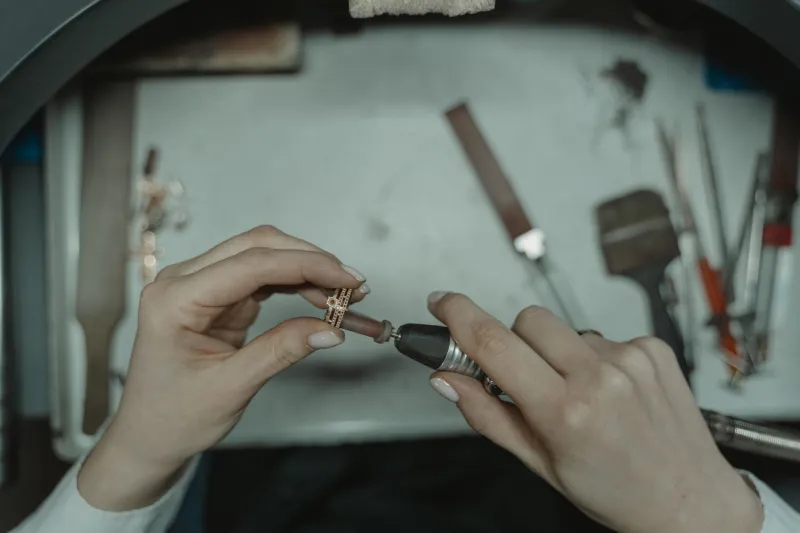
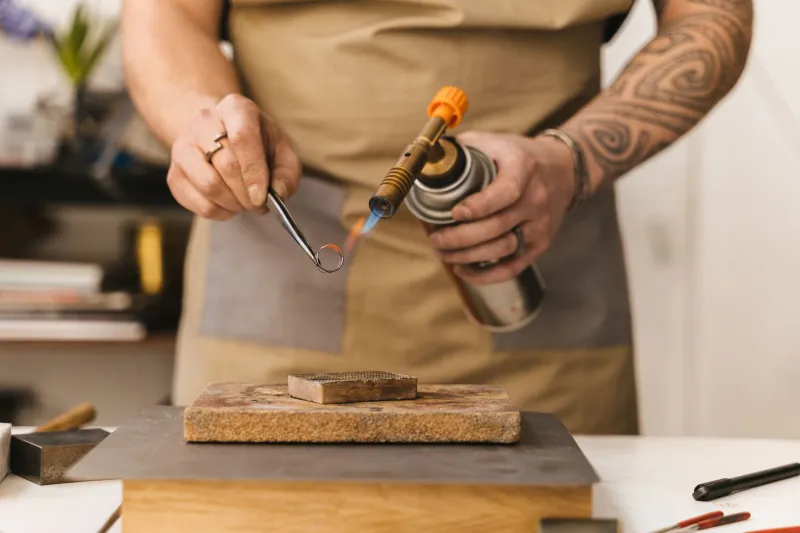
This sentiment is echoed across the independent atelier landscape. The appointment—often held in a private studio rather than a retail floor—functions as an event in its own right. Champagne is poured. Sketches are reviewed under careful lighting. Questions about alloy composition and stone sourcing are answered with the unhurried depth of a craftsperson who has devoted decades to a single discipline.
The Architecture of Exclusivity
What distinguishes the atelier appointment from a standard custom order is its architecture of exclusivity. Access itself is curated. Many of the most sought-after American goldsmiths maintain waiting lists that stretch well beyond a year. Some do not advertise at all, relying entirely on referrals from existing clients—a self-selecting community of individuals for whom the barrier to entry is precisely the point.
Private previews occupy a similarly elevated position in this ecosystem. Before a new collection is shown publicly—or, in some cases, before it is shown at all—a select group of established clients is invited to view pieces in an intimate setting. These previews carry the social weight of a gallery opening crossed with a private club dinner. Attendance signals not merely wealth, but belonging.
For the brands and makers who orchestrate these experiences, the calculus is deliberate. By limiting access and extending the timeline of acquisition, they are not creating obstacles—they are creating desire. The piece that requires patience commands a different kind of reverence than the one that arrives in two days.
Relationship as Currency
Perhaps the most significant shift in this movement is the elevation of the craftsperson relationship itself. For buyers who engage in the atelier model, the goldsmith is not a vendor. They are a confidant, a creative collaborator, and in many cases, a custodian of personal history.
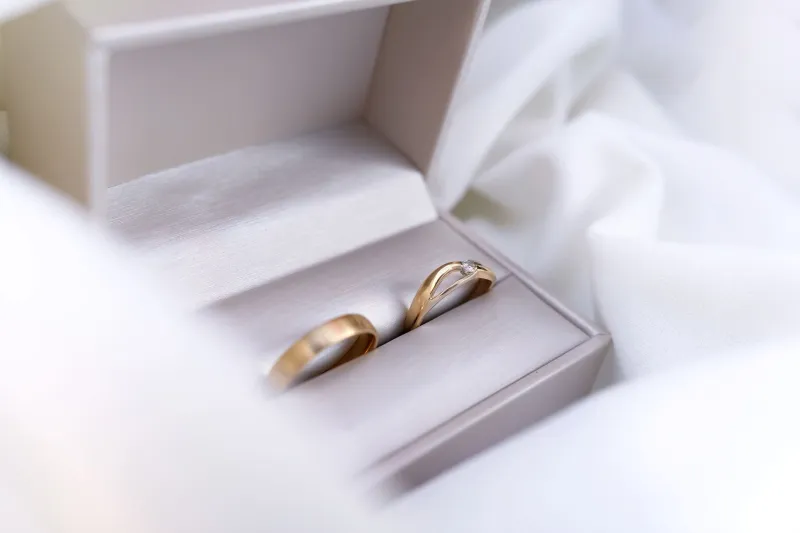
Consultations frequently begin not with jewelry at all, but with conversation. A skilled atelier professional will ask about a client's daily life, their wardrobe, the occasions they dress for, and the legacy they hope to leave. Over successive appointments, a portrait emerges—not of what the client wants to wear, but of who they are. The resulting piece is, in the truest sense, a translation of identity into gold.
This relational depth has practical implications as well. Clients who develop long-standing atelier relationships often find that their craftspeople remember preferences, maintain records of existing pieces to ensure cohesion, and proactively reach out when a material or technique becomes available that aligns with a collector's known aesthetic. It is, in effect, a private concierge for the most personal category of luxury goods.
Status Reimagined
The social currency of the atelier appointment extends beyond the studio walls. Among the circles in which these buyers move, the provenance of a piece—how it was acquired, from whom, through what process—carries weight that a price tag alone cannot convey. To say that a ring was commissioned after three consultations with a particular goldsmith in the West Village, or that a necklace was the result of a year-long collaboration with a studio in Santa Fe, is to communicate something that no retail receipt can.
This is status reimagined not as conspicuous consumption, but as conspicuous intention. The message is not "I spent a great deal." It is "I chose with great care."
For Almiad Golden, this philosophy resonates deeply. The finest gold pieces have never been merely objects—they have been decisions, commitments, and conversations made permanent in precious metal. The atelier appointment, with its unhurried rhythms and its insistence on meaning over speed, represents a return to that original understanding.
The Future of Slow Luxury
As the atelier model gains visibility among America's luxury consumers, it is beginning to influence the broader market. Established houses are creating invitation-only consultation programs. Younger designers are building their practices entirely around the appointment model, deliberately capping their client rosters to preserve the integrity of the experience.
What was once the quiet practice of a few independent craftspeople is becoming, gradually, a movement—one defined not by what it produces, but by how it produces it. In a culture still largely governed by immediacy, the willingness to wait has become the most eloquent declaration of taste.